
 Peter
Peter Understanding the Debate: Clippers vs. Scissors
Choosing the right tools for hair cutting can significantly influence the outcome of a hairstyle. With two primary options — CLIPPERS and SCISSORS — the decision can often feel overwhelming. Each tool comes with its own set of advantages and disadvantages that cater to different styles, techniques, and user preferences.
In this article, the focus is on exploring the pros and cons of these hair cutting methods. By examining aspects like precision, speed, versatility, and maintenance, readers will gain valuable insights. This analysis aims to equip individuals with the knowledge to make informed decisions, whether they are professionals honing their craft or novices stepping into the world of hair styling. Understanding the strengths and weaknesses of clippers and scissors can ultimately lead to better results and greater satisfaction with every haircut.


The Ultimate Showdown: Scissors vs Clippers!
Overview of Clippers and Scissors
Understanding the fundamental differences between clippers and scissors is vital for anyone delving into hairstyling.
Clippers: An Overview
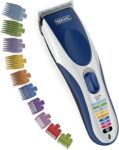
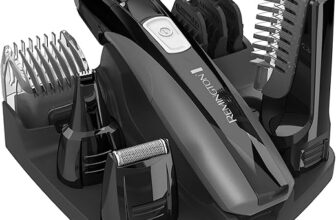
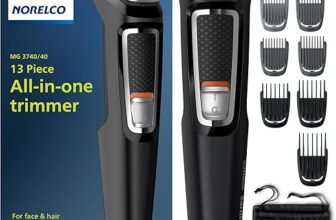
Hair clippers are electric or battery-operated devices designed for quick, efficient hair cutting. Typically outfitted with interchangeable guard sizes, they allow the user to achieve various lengths with ease. Clippers are favored in barbershops and salons for bulk cutting, fading, and layering styles, especially for short haircuts and close-cropped looks. Brands like Wahl and Andis are renowned for their durability and performance, making them popular choices among professionals.
Scissors: A Closer Look
Scissors, or shears, offer a different approach with their manual cutting capabilities. They come in various designs, including thinning shears and texturizing scissors, each targeting a specific styling need. Used predominantly for precision cutting and finishing touches, scissors excel at creating softer lines and more intricate hairstyles. For instance, models like the ULG Professional Hair Cutting Scissors are designed for comfort and control, providing users with an exceptional experience when crafting bobs, layers, or intricate details.
Typical Usage
In hairstyling contexts, clippers shine in speed and uniformity, providing a rapid means to achieve significant length changes. Scissors, on the other hand, require time and finesse, facilitating intricate and customized cuts that reflect individual style. Understanding these tools’ unique functionalities and contexts prepares stylists to make informed decisions about which tool best fits their needs.
As we explore deeper into the performance and usability of both clippers and scissors in the next section, it becomes crucial to recognize how precision and control play pivotal roles in hairstyling outcomes.
Precision and Control: The Case for Scissors
When it comes to precision and control in hair cutting, scissors stand out as a tool of choice, particularly for detailed work. Their manual operation allows stylists to execute cuts with remarkable accuracy, making them indispensable for intricate styles.
The Benefits of Scissors
Using scissors grants hairdressers the ability to create various effects, such as layering and texturizing, which contribute to a more dynamic hairstyle. Some key advantages include:
For instance, a professional stylist may choose Equinox Professional Hair Cutting Scissors for their robust design and sharp blades, enabling them to create seamless layers on a client’s long hair without compromising texture.
Situations Where Scissors Excel
Scissors are often preferred in the following scenarios:
Given these capabilities, it is clear that scissors are an exceptional tool for achieving particular styles where detail and control are paramount.
As we transition to discussing the advantages of clippers, it will be interesting to see how they balance out scissors in terms of speed and efficiency in cutting techniques.
Speed and Efficiency: The Edge of Clippers
When it comes to speed and efficiency, clippers take the lead in the hair cutting arena, particularly in professional environments. These electric or battery-operated devices can significantly expedite the cutting process, making them the go-to choice for many barbers and hairstylists.
Rapid Results for Busy Professionals
Clippers are designed for quick operations, making them ideal for situations that demand time efficiency. In bustling barber shops, where clients often line up for trims and buzz cuts, clippers allow stylists to deliver consistent results without sacrificing quality. Consider the scenario of a busy Saturday afternoon: a barber armed with clippers can complete a simple buzz cut in a matter of minutes, compared to the more time-consuming approach with scissors.
Perfect for Standard Cuts
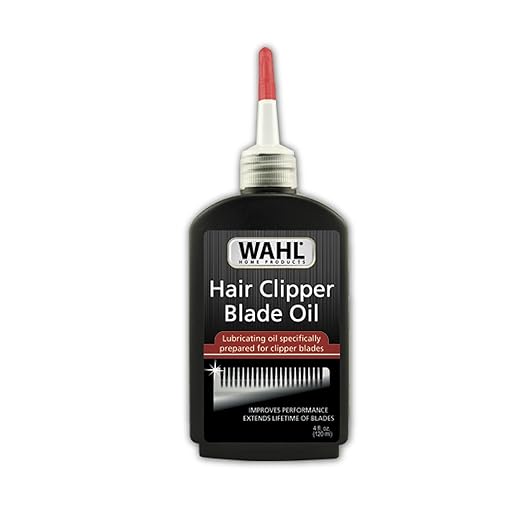
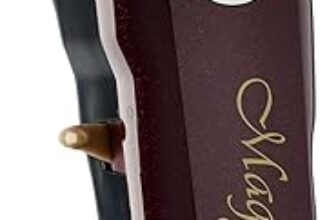
For certain styles, especially short haircuts, clippers are often the best tool for the job. They handle basic cuts such as fades, buzz cuts, and crew cuts with ease, enabling hair professionals to achieve that clean, polished look quickly. Popular models like the Wahl Magic Clip and Andis Master Clipper are favored for their powerful motors and precision cutting ability.
In conclusion, the speed and efficiency of clippers are indispensable assets in high-paced environments. As the discussion transitions toward the versatility of these tools, it will become evident that knowing when to use clippers or scissors can elevate both the stylist’s artistry and the client’s experience.
Versatility of Tools: When to Use Each
The versatility of clippers and scissors is a significant factor in choosing the right tool for various hair types and styles. Different hair textures and desired outcomes can dictate whether one should reach for clippers or scissors. This section aims to empower stylists and enthusiasts alike with guidance on making the right tool choices.
Hair Types and Suitable Tools
Choosing Based on Style
Certain hairstyles lend themselves better to one tool over the other:
Selecting the appropriate tool based on hair type and desired style not only improves the haircut’s end result but also enhances the stylist’s workflow. As we consider the maintenance and longevity of these tools, it’s essential to understand how proper care can impact their performance and reliability.
Maintenance and Longevity: Caring for Your Tools
Maintaining clippers and scissors is crucial for ensuring their longevity and optimal performance. Proper care not only prolongs the life of these tools but also enhances their functionality. Here are essential maintenance practices for both.
Caring for Scissors
Caring for Clippers
By addressing these maintenance needs, users can ensure their clippers and scissors remain efficient and high-performing. With well-cared-for tools, hair professionals can enhance their artistry, which leads us to the next topic: understanding the user skill level and how it influences the choice of tools.
User Skill Level: Novice vs. Expert
When it comes to hairstyling, the skill level of the user plays a pivotal role in determining whether clippers or scissors might be the more effective tool for the job. Novices and experts alike have unique needs and capabilities that can influence their choice between these two tools of the trade.
Considerations for Novices
For beginners, using clippers is often seen as a more accessible option. Clippers provide a more forgiving cutting experience, allowing novices to achieve decent results with less precision. The consistent length offered by clipper guards means that beginners can cut hair with confidence and avoid the worries associated with uneven or jagged cuts.
However, novices should aspire to eventually master scissors as well. Scissors afford more control and artistry, enabling individuals to explore diverse styling techniques that can elevate their skills.
Advantages for Experts
Experienced hairstylists, on the other hand, often prefer scissors for their versatility and precision. With years of practice, experts can execute complex techniques and styles that rely heavily on the nuanced control scissors provide.
As stylists advance in their careers, they may find that a blend of tools often yields the best results, adapting their approach based on the specific style or hair type at hand. Balancing the skill level with the appropriate tools is crucial; thus, the next section will delve into the cost considerations that come with investing in quality hair cutting tools.

Cost Considerations: Investing in Quality Tools
When assessing the costs associated with clippers and scissors, the initial price tag may not tell the whole story. Investing in high-quality tools not only impacts immediate expenditure but also affects long-term savings and overall performance in a professional setting.
Initial Costs
Quality clippers and scissors can be an investment, with prices ranging widely. Entry-level clippers might start around $30, while professional-grade options can exceed $300. Similarly, scissors suitable for professional use often range from $50 to $500 or more, depending on brand, material, and craftsmanship.
Long-Term Savings
Though the upfront cost of high-quality tools may appear daunting, they often provide substantial long-term savings. Cheaper alternatives can lead to frequent replacements, sharpening, or repairs, quickly negating any initial savings.
Value of Professional-Grade Tools
For hairstylists and barbers, the right tools can be a game-changer. Professionals often recognize that quality tools translate into enhanced performance and customer satisfaction. Investing in reliable clippers and scissors not only showcases a stylist’s commitment to their craft but also directly impacts their efficiency and creativity.
As the conversation shifts towards making the right choice between clippers and scissors, understanding the cost implications and the value of quality will undoubtedly steer users towards better decision-making.
Making the Right Choice: Clippers or Scissors?
Ultimately, the choice between clippers and scissors hinges on individual needs, preferences, and hair types. Clippers excel in speed and efficiency, making them ideal for those managing thick or textured hair, while scissors offer unparalleled precision and control, perfect for detailed work and styling. Users should assess their skill levels and comfort with each tool, recognizing that expertise can enhance the quality of the cut.
When selecting cutting tools, it’s essential to consider personal style, hair type, and the desired results. Investing time in understanding these factors will lead to a more satisfying and effective grooming experience. Whether choosing clippers or scissors, the right decision will elevate one’s hair care routine.



I have to say, I love using scissors! They give me way more control, especially when I’m trying to do layers. Clippers can be super fast, but I feel like I lose a bit of that finesse. Anyone else feel that way?
Exactly, Sarah! It really does depend on what kind of haircut you’re aiming for. Scissors are great for detailed work!
Totally! I thought clippers were the way to go, but they just don’t give me the same precision. I guess it depends on the style you’re going for.
I think it’s important to know your skill level. I’m still a novice, but I’m learning to use both tools. It’s a bit intimidating, but practice makes perfect!
You got this, Grace! Everyone starts somewhere. Just keep practicing!
Very true, Grace! Embrace the learning process and you’ll improve in no time!
Can we talk about the cost? I get it, quality matters, but some scissors are ridiculously priced! Like, what makes them worth that?
Very true, Danny. It’s good to find a balance between quality and affordability.
It’s all about the materials and craftsmanship. But yeah, some brands are just over the top!
Caring for your tools is so important! I just ordered some Wahl Premium Clipper Blade Oil because I want my clippers to last longer. How often do you guys oil your clippers?
I do it every few haircuts. Keeps everything running smoothly!
Great practice, Nina! Regular maintenance can really extend the life of your tools.